Meet the Leaders Driving Allagash's Impact
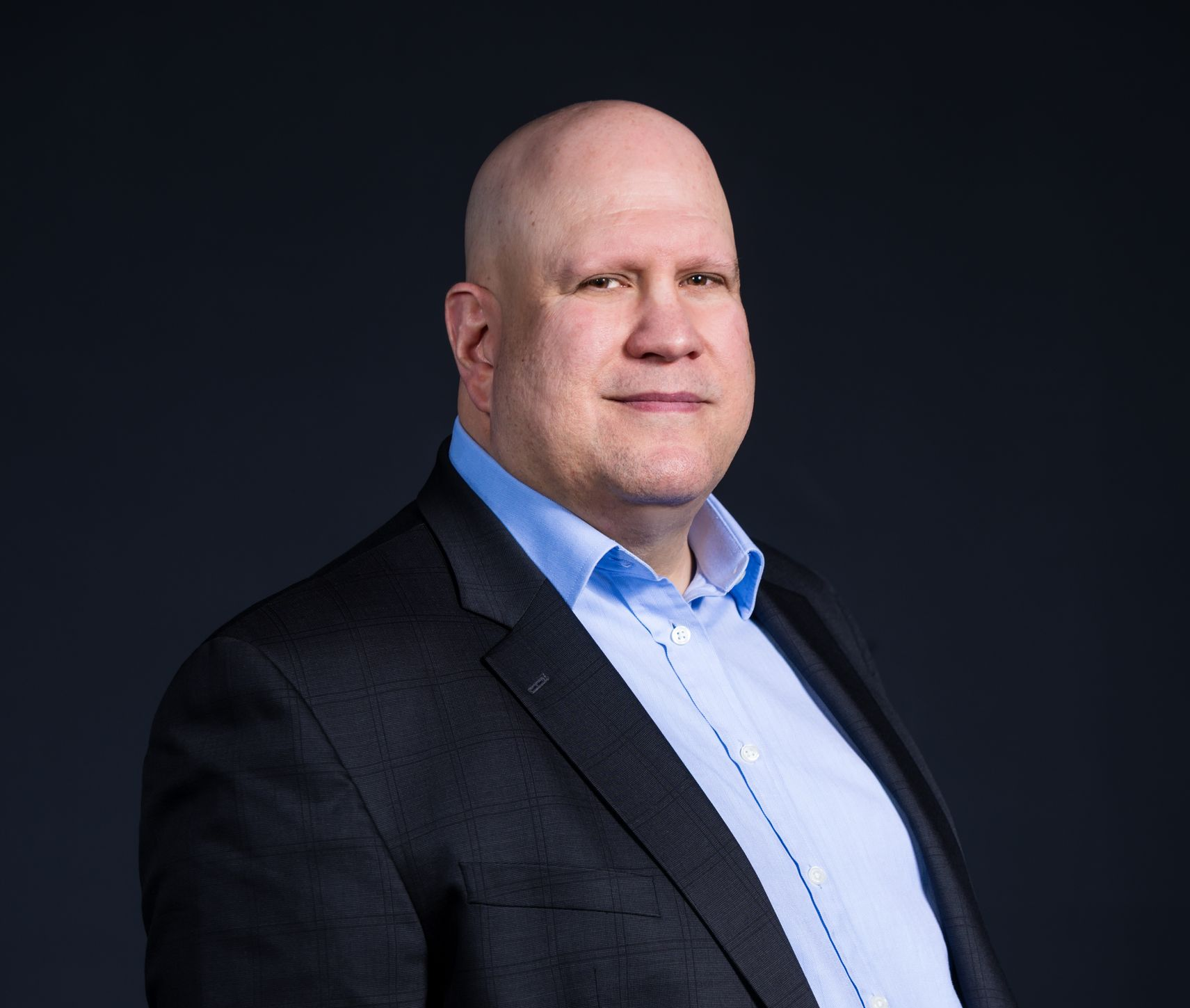
Tony barkan
CEO/Co-CIO
38 years experience
From 2010-2015, as a Founder and Head of Real Estate at Seer Capital, designed and ran the purchase, renovation, and management of over1,000 1-4-unit affordable rental homes across the southeast U.S.
As Founder/CIO at Sailfish Investment, became an early identifiers of the “Big Short” and migrated position to 100% short by EOY 2006.
From 2007-2015, built and managed numerous alternative investment platforms with almost $20 billion peak portfolio size, $2 billion peak investor equity, and average returns of 25%.
From 1988-2007, served as a trader at ManGroup, Goldman Sachs, and Salomon Brothers
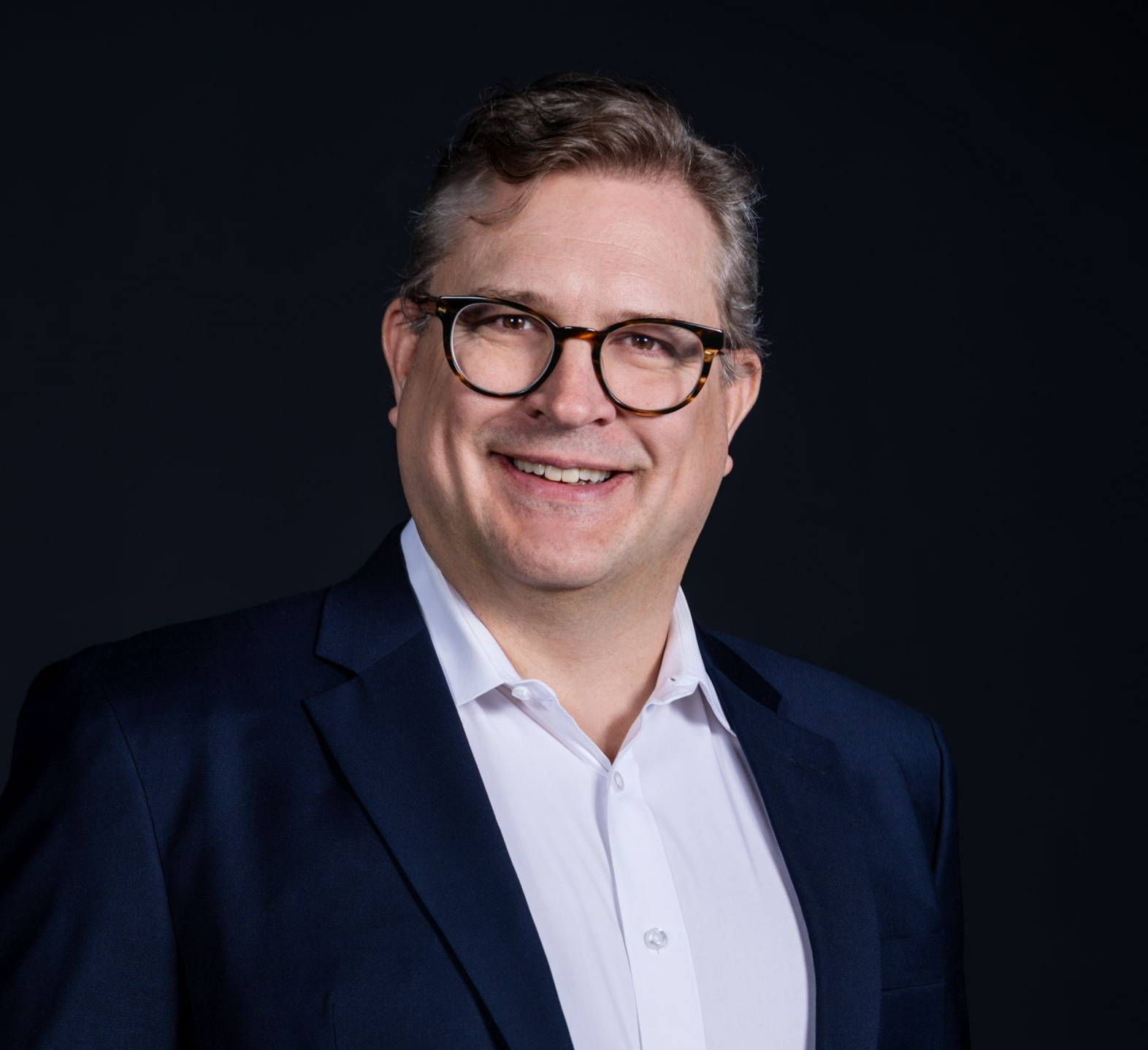
simon russell
COO/CO-CIO
27 years experience
From 2019-2025, developed the Fund’s investment strategy with Tony Barkan, a friend and colleague for over 20 years, and then invested personally until contributing the portfolio to the Fund at Initial Closing.
Developed strong operational, community, and tenant relationships proving the virtuous cycle paradigm can work for all stakeholders.
1997-2019, served as equity and equity derivatives trader, manager, and business builder for numerous banks and investment banks including Deutsche Bank, Rabobank, and Pali Capital.
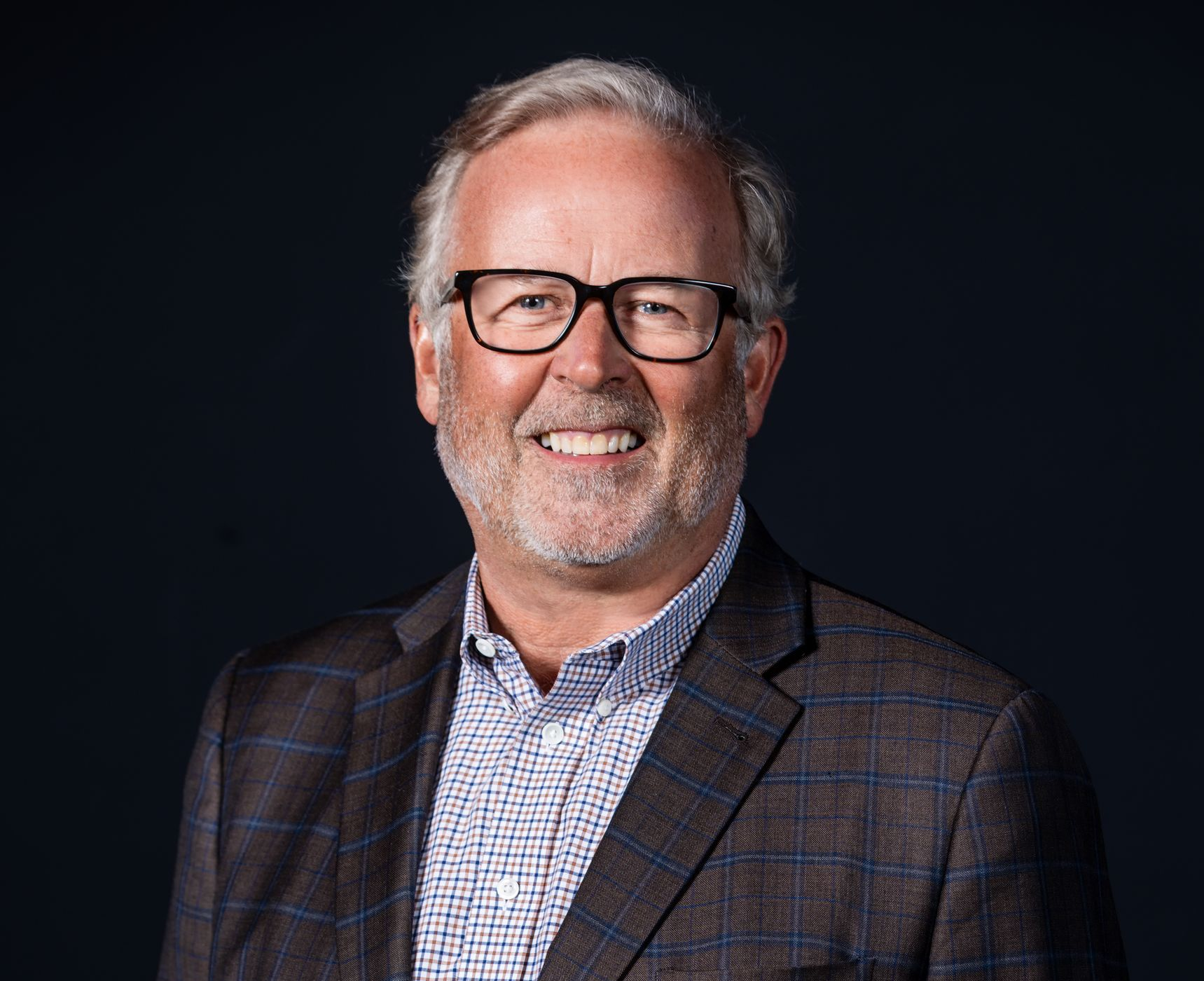
david puchi
CBDO
35 years experience
Co-founded and co-managed Baceline Investments LLC, which holds a portfolio of over $800 million in necessity based shopping centers across the US.
Created and co-managed multiple private equity real estate partnerships and investment funds and has participated as a principal in over $1 billion of real estate transactions
Responsible for procuring approximately $500million in capital for such investment vehicles
Our Mission and Values
Allagash is committed to transforming small-format rental properties into quality, affordable homes for working families in underserved metro areas.
We combine rigorous investment discipline with a social mission to break the cycle of property decline and provide stable, well-managed housing that supports community growth.
Elevating Homes, Strengthening Communities
Improving Living Conditions Through Thoughtful Renovation and Management
Investment Performance and Social Impact
U.S. moderate Income Rental Housing Overview
With respect specifically to the supply-demand dynamic for families looking to rent affordably, the U.S. is experiencing a massive and well documented affordable housing crisis stemming in large part from (i) the aging of affordable housing properties and (ii) the inability to economically build replacement housing which can be rented affordably to moderate income households. As a result, as per the National Housing Trust, Inc., “For every new affordable apartment created, two are lost due to deterioration, abandonment or conversion to more expensive housing.” Meanwhile demand for affordable housing continues to grow as income disparity has accelerated over the past few decades. As a result of the shortage of supply and the strength of demand, Allagash expects that the operating cashflows generated by residential rental properties that are affordable to moderate imcome households should be robust, cyclically insulated, and highly price inelastic – a recipe that, Allagash believes, should generate stable returns with a significantly limited risk profile. Additionally, the non-cyclical nature of the returns generated by the Partnership’s Investment Properties may serve as a particularly effective inflation hedge for investors.
Captive Renters
Moderate income household rental demand has increased because working-class families without a previously purchased family home are now captive renters who cannot save enough money to buy a home.
According to the Federal Reserve Board, U.S. adults under the age of 45 possess median savings of less than $5,000 and median debt of almost $10,000. As a result, saving for the down payment on a home has become unfeasible creating a large population of captive renters.
Demand is Increasing
Income inequality, home prices, and rental demand by moderate income households have risen simultaneously over the last 25-50 years.
Over 50% of households earning below median income rent, versus less than 20% of households making above median income. Allagash expects that as income disparities increase, demand for moderate income small format multifamily rental housing will also increase.
Supply IS SHRINKING
The combination of building cost inflation, developer’s equity return requirements, and affordable rent rates being capped by relatively stagnant working-class incomes have effectively extinguished capital allocation to new development of unsubsidized rental housing that affordably serves LMI households.
As small format moderate income housing development has disappeared, aging affordable housing supply has been demolished and replaced by housing serving renters capable of paying higher rents.
Result: Affordable Housing Crisis
As moderate income housing demand has risen and affordable supply has fallen, an affordable housing crisis has arisen.
The “Affordability Gap,” paying rent that is over 50% of household income, now impacts over half of US renting households – and disproportionately affects these households thereby creating a Housing Crisis.
Contact Allagash for Inquiries and Partnership Opportunities
We will get back to you as soon as possible.
Please try again later.